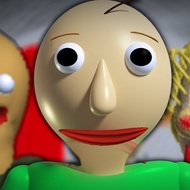
Fan Games
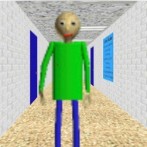

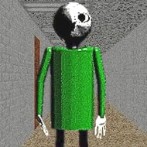
Fan Games collects standalone projects inspired by Baldi's school. Instead of tweaking the original, these builds create their own maps, modes and stories, from bigger schools with secret codes to endless runners and story chapters set far away from the classroom.
How Fan Games Differ From Mods
A mod changes an existing Baldi game. Projects on the Fan Games shelf start from scratch and borrow the spirit of the series rather than its files.
That freedom shows. You will find larger schools, new characters, mission systems, shops and modes that the official games never had.
Some still feel close to the original, while others only keep the idea of a teacher chasing a student.
Common Formats
Browsing Fan Games, a few formats appear again and again.
- Expanded schools with many modes and hidden areas.
- Story chapters that move the action to labs, houses or other places.
- Runners and arcade spin-offs where Baldi chases you through a track.
- Maze projects built around rooms, doors and strange layouts.
Expanded schools are the most popular type, because they give a familiar start with much more to explore.
What Usually Stays the Same
Most Fan Games keep notebooks or a similar goal, a pursuer who reacts to noise and a cast inspired by the original school. Principal of the Thing and Playtime often appear in some form.
Items like BSODA and the Zesty Bar return in many projects, so classic habits still pay off.
The ruler slap, or something like it, is usually still the warning that danger is close.
Choosing Your First Project
Fan Games vary a lot in length and difficulty. A short runner can be finished in minutes, while an expanded school can take hours if you hunt every secret.
- Start with a project that keeps notebooks as the main goal.
- Try a story chapter once you want something with structure.
- Move to large multi-mode schools when you are ready to explore.
Each page describes the project's goal and length, which makes the choice easier.
Secrets, Codes and Replay Value
Many Fan Games hide codes, secret rooms and extra modes. Exploring slowly when the pursuer is far away is the best way to find them.
Completionists often spend more time searching than chasing notebooks, and these projects reward that patience.
Some builds include achievements or level editors, which add even more reasons to come back.
Bigger Schools and Shops
Some of the most ambitious Fan Games borrow ideas from the official sequel, such as shops, upgradable maps, inventories and missions. These systems give each run a sense of progress that the original seven-notebook school never had.
Others focus on sheer size, with schools several times larger than the classic map and dozens of rooms to search.
Players who enjoy planning tend to love these projects, since buying the right upgrade early changes every later floor.
Mistakes New Players Make
Because each project has its own rules, assumptions from the original cause problems.
- Expecting the classic map and getting lost in a new layout.
- Skipping tutorials or mode descriptions on the menu.
- Rushing past rooms that hide codes or secret areas.
A slow first lap through any new school saves time later.
Projects Still in Development
Many builds in this category are works in progress. Updates may add modes, change balance or rebuild whole areas.
That keeps the shelf fresh, but it also means a project can feel rough in places. Each page notes when a build is a demo or alpha.
Following a project across updates is part of the appeal of Fan Games, and fans often compare versions in comments.
Characters Fans Invented
Many projects introduce their own teachers, students and creatures alongside familiar faces. Some are friendly guides, others are new pursuers with their own rules about noise and sight.
Learning these new characters is part of every first run. Watching how they move before committing to a route keeps surprises to a minimum.
Over time a few fan-made characters became well known across the community, appearing in several projects by different creators.
Lengths and Time Investment
Session length varies widely. A runner may last a couple of minutes, a single story chapter often takes under an hour and a large school with many modes can keep you busy for days.
Each page mentions the expected length so you can pick something that fits the time you have.
Short projects work well between longer sessions of the official sequel.
Where to Go Next
If a project here makes you curious about the official sequel, the main Baldi's Basics page is a good place to start. From there you can jump to any version of the base game.
We add new Fan Games as the community releases them.
From a huge school with fifteen modes to a dark lab chapter with a teacher waiting behind a door, the Fan Games shelf shows how far creators have taken Baldi and his notebooks.